Aug–Oct 2025
Hardware Design
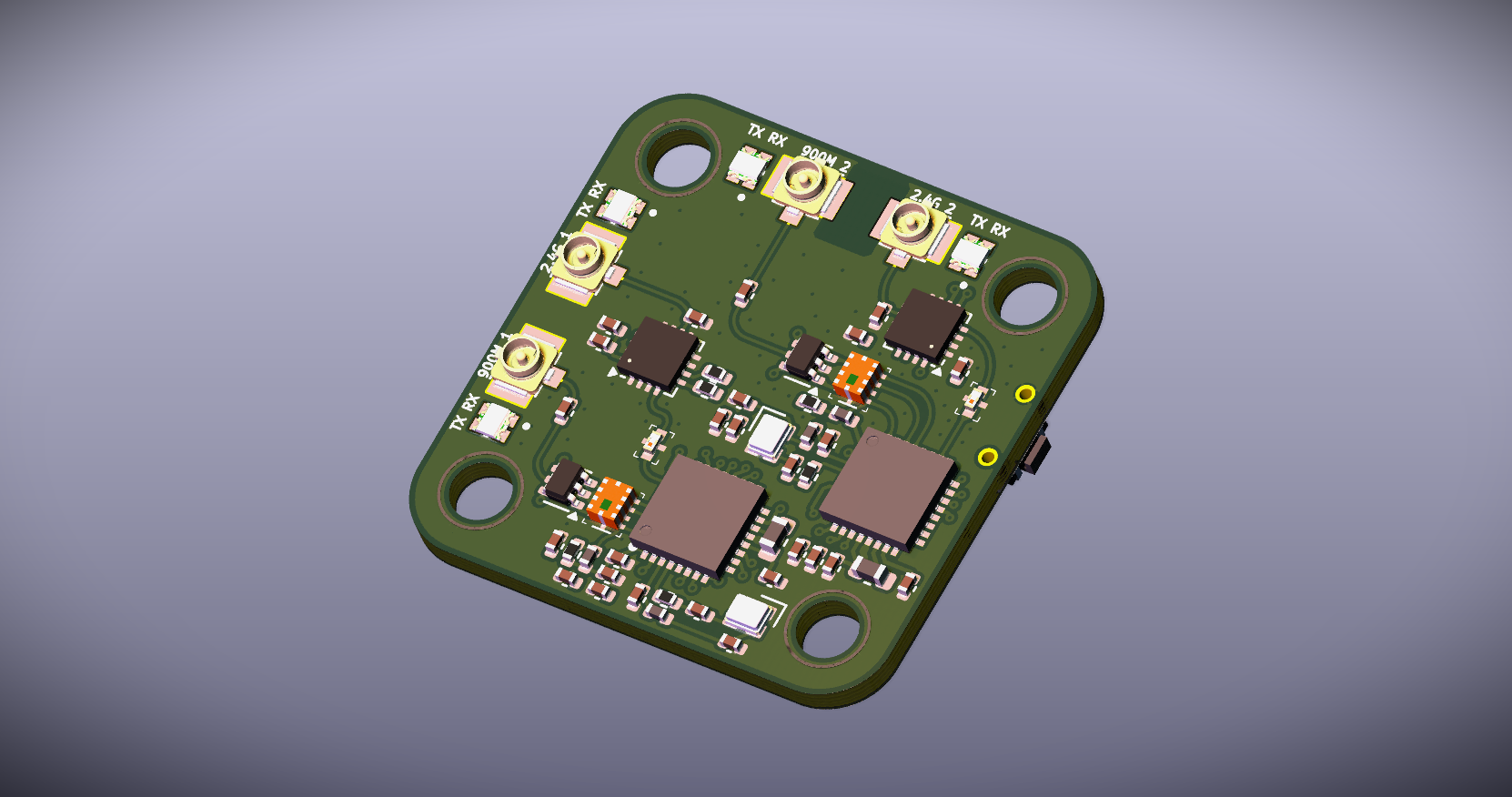
Dual Band ELRS Receiver
This project is a dual-band receiver board developed to enhance link reliability in RC systems. Built on Semtech LR1121 transceivers, the system utilizes simultaneous dual-frequency transmission to eliminate signal drops and interference.
Read DocumentationJun–Aug 2025
Hardware Design

Dual Band ELRS Module
This is a high-performance dual-band ground station module developed to maximize link reliability and range performance in RC systems. Built upon a dual Semtech LR1121 architecture, the system provides signal enhancement through simultaneous single or dual-frequency broadcasting. The design is engineered to eliminate parasitic effects and interference during transmission, ensuring seamless and stable communication even in the most challenging RF environments.
Read Documentationjan 2025
In Progress
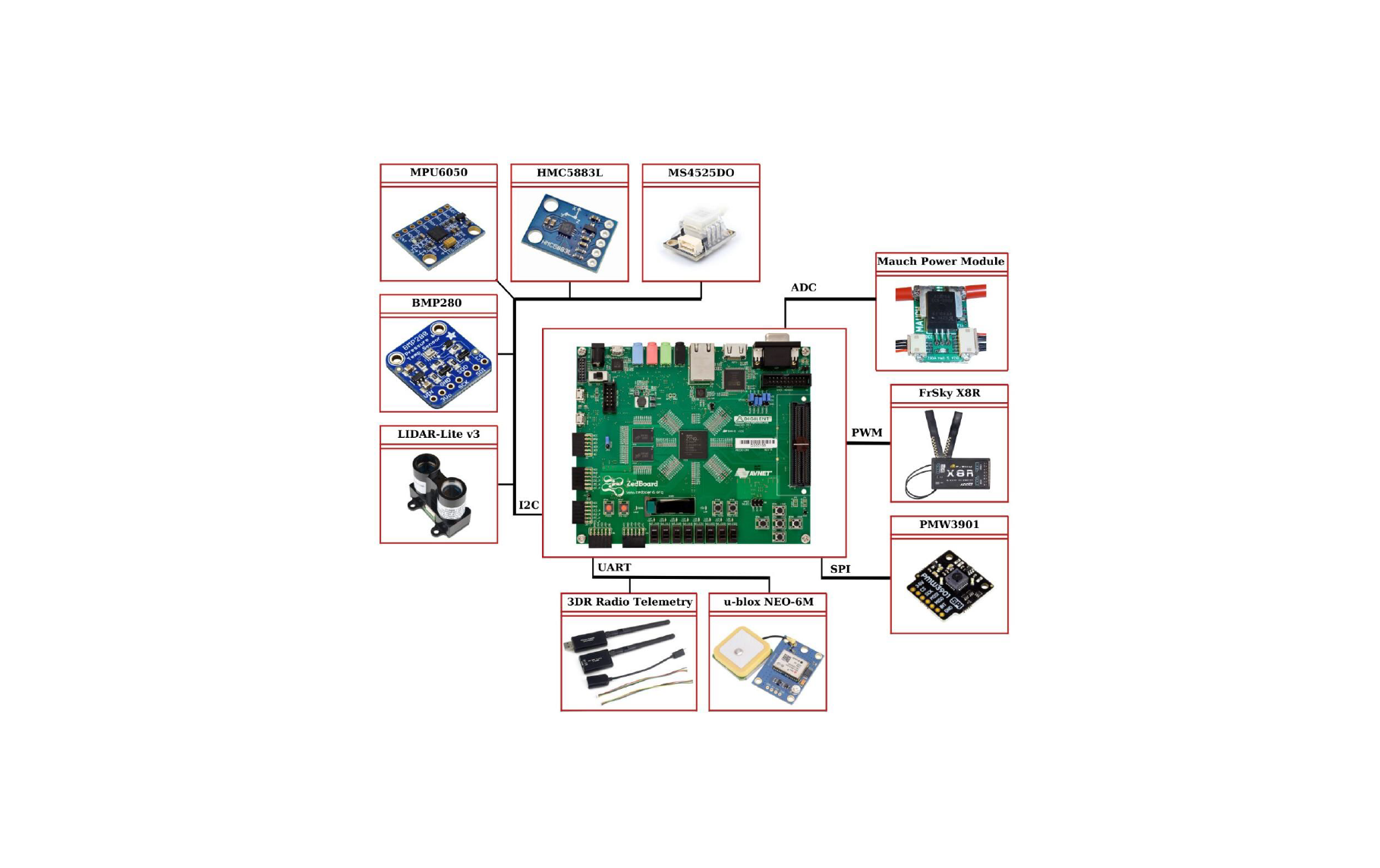

FPGA-Based RISC-V Flight Control System
This project features the FPGA-based prototyping of a flight control system for rotary-wing UAVs. Built on a 32-bit RISC-V (CV32E40P) architecture, the system performs multi-sensor fusion by integrating I2C, SPI, and UART communication protocols alongside PWM and ADC interfaces. The implementation of the digital DShot protocol ensures high-precision motor speed management with ultra-low latency.
Read documentation2024-2025
Internship Project

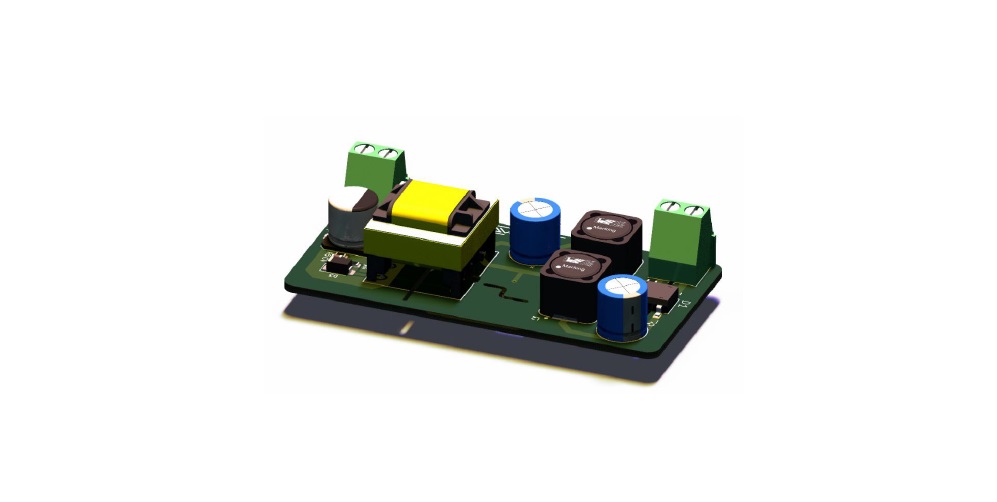

Industrial AC-DC Flyback Converter Series
This project series encompasses the design and development of three distinct Switched-Mode Power Supply (SMPS) boards, engineered in accordance with industrial standards during my internship. The designs include a 12W high-efficiency Flyback switcher based on the TNY288PG, a 4.2W power unit developed with the LNK605DG IC featuring constant current/voltage control, and a 10W industrial-grade dual-output power stage built on the VIPer22A architecture, specifically optimized for HVAC (air-conditioning) systems. Each design prioritizes critical engineering criteria, including AC-DC conversion efficiency, EMI/EMC compliance, thermal management, and compact PCB layout optimization.
2024
Graduation Project
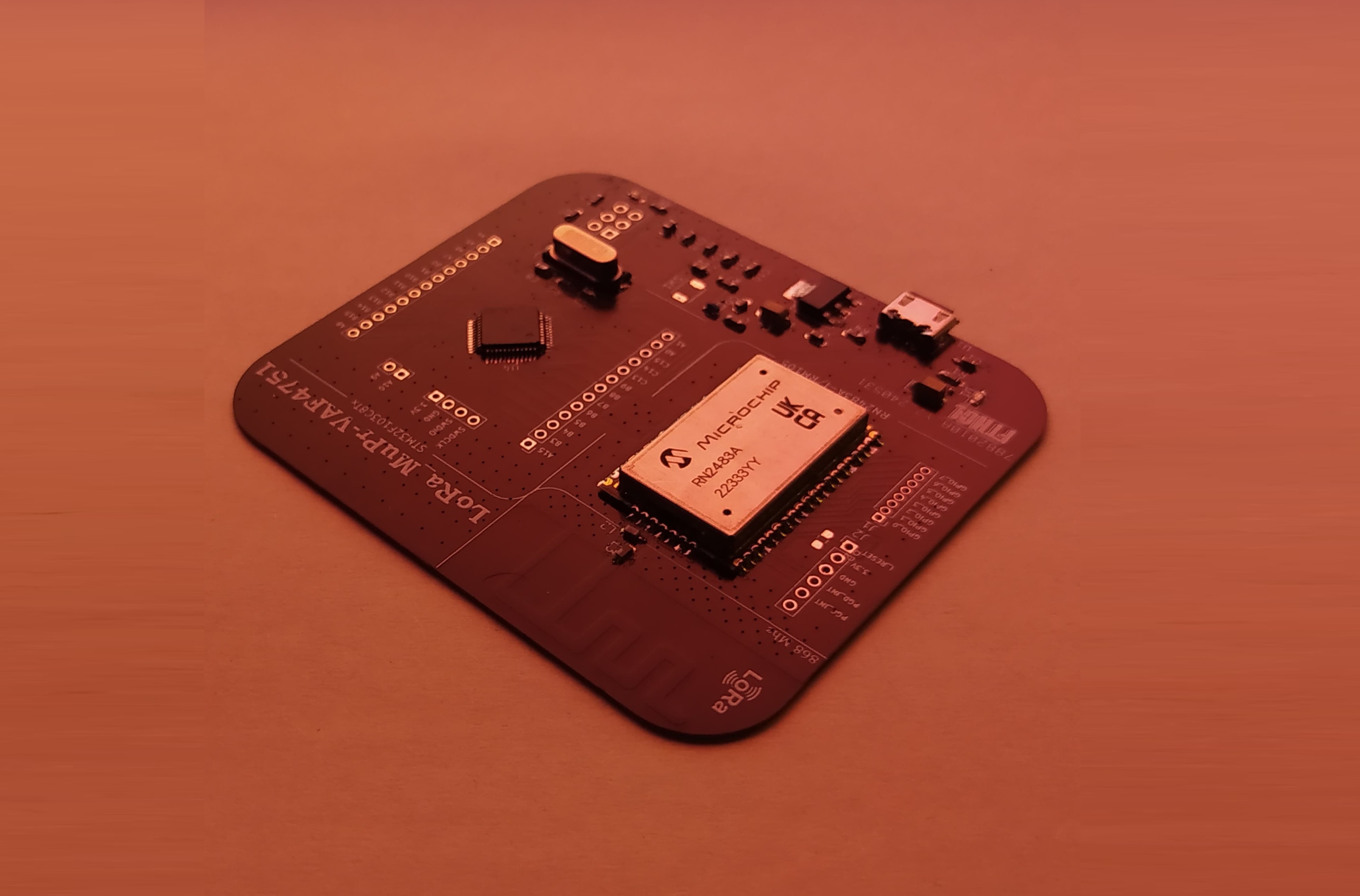
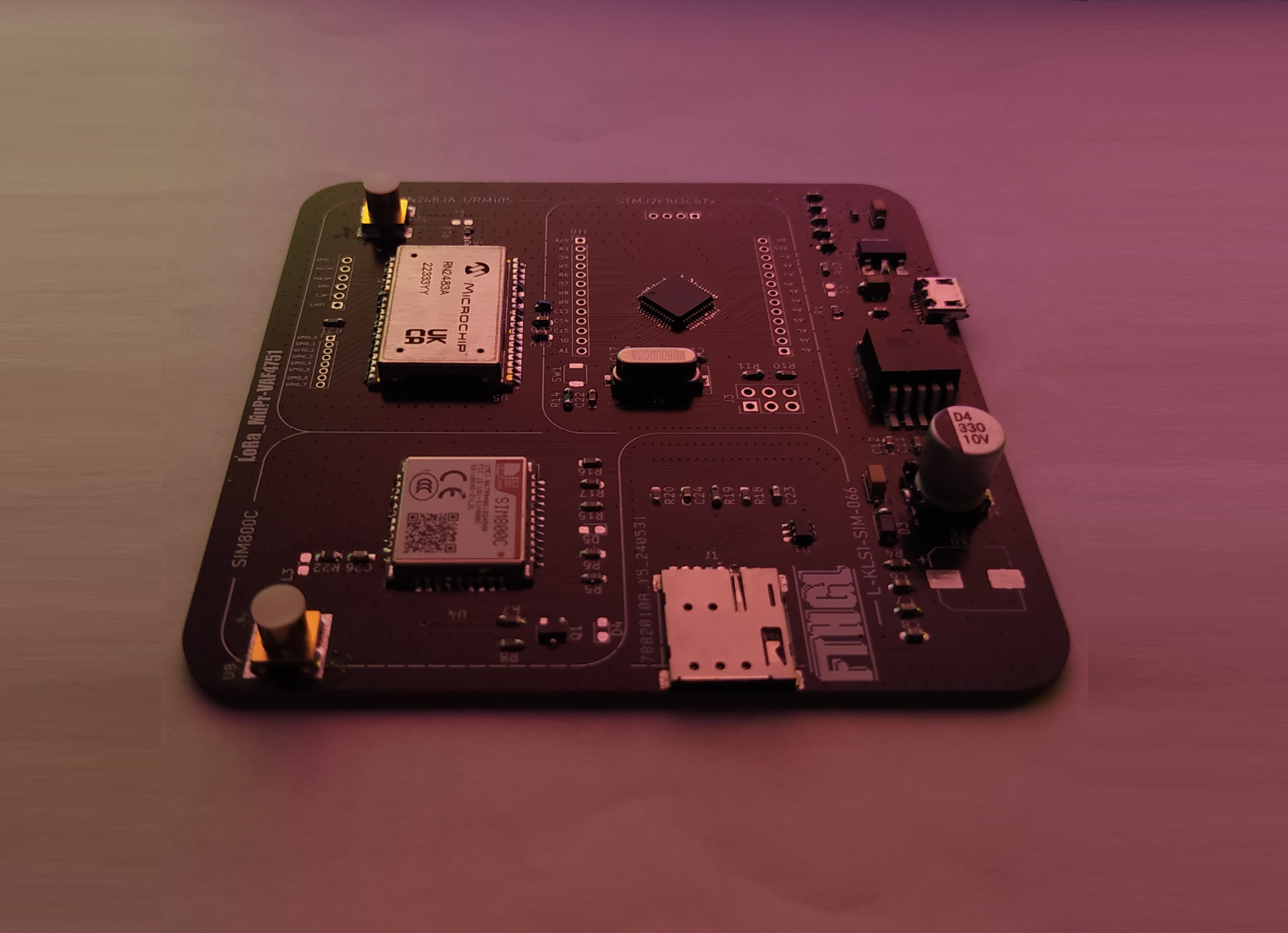

LoRa Multiprotocol Mesh System
Designed and implemented a multi-node LoRa Mesh network featuring 1 Master (LoRa+GSM) and 2 Slave nodes. Optimized the system to bridge remote areas without cellular coverage by routing local mesh data through a centralized GSM gateway for remote monitoring.
Conducted comparative RF antenna designs for the slave nodes, implementing both internal trace and external SMA antenna configurations. This allowed for performance benchmarking of signal integrity and range efficiency across different hardware form factors.
Spring 2024
Antenna Design


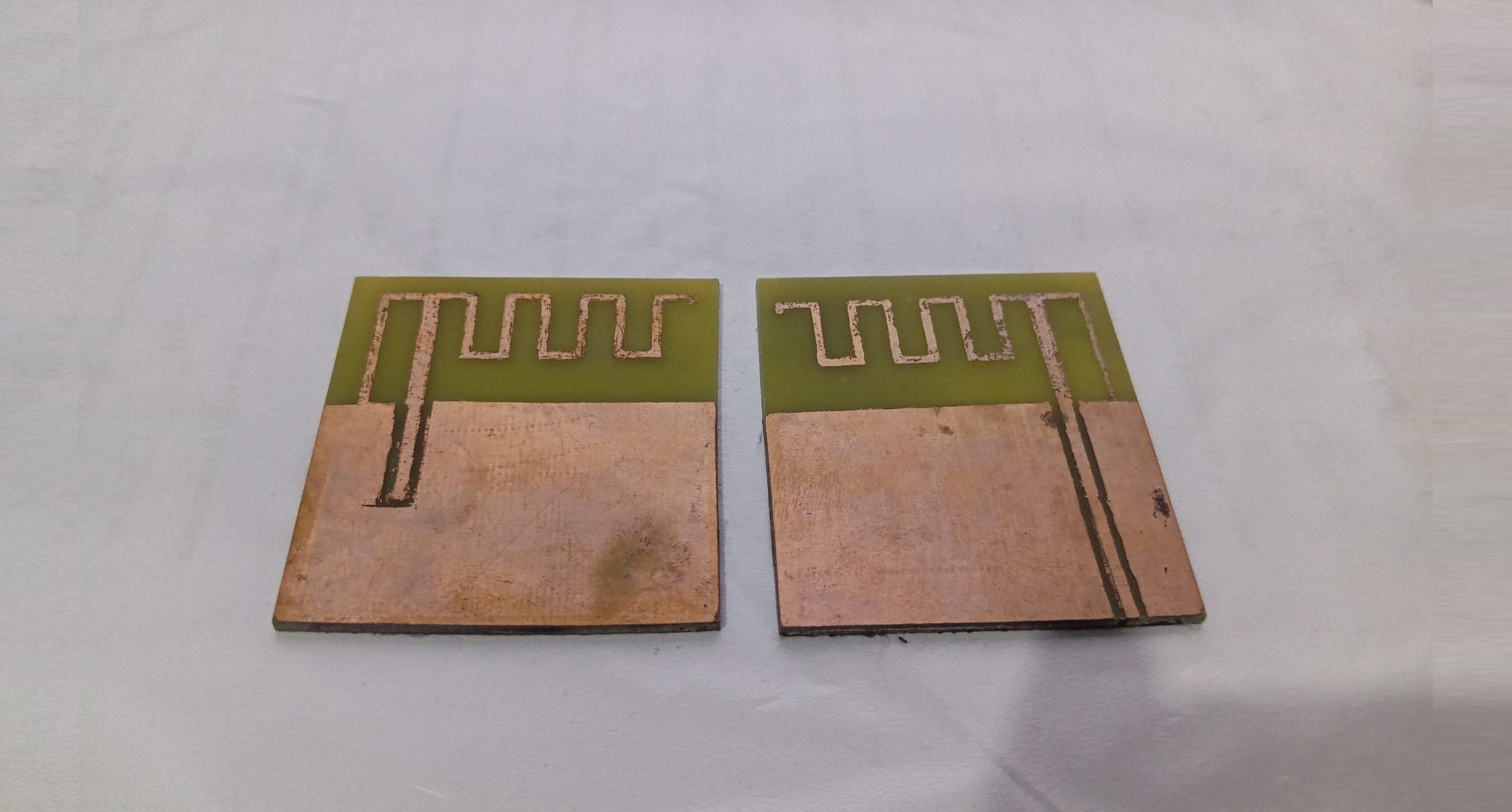
868 MHz / 1.8 GHz Meandered IFA Optimization & Integration
Designed and optimized 868 MHz and 1.8 GHz meandered Inverted-F Antennas (IFA) for embedded systems. Conducted comprehensive analysis of antenna parameters and utilized HFSS Smith Chart tools to achieve 50 Ohm impedance matching for seamless system integration.
Spring 2024
RF Design & Analysis
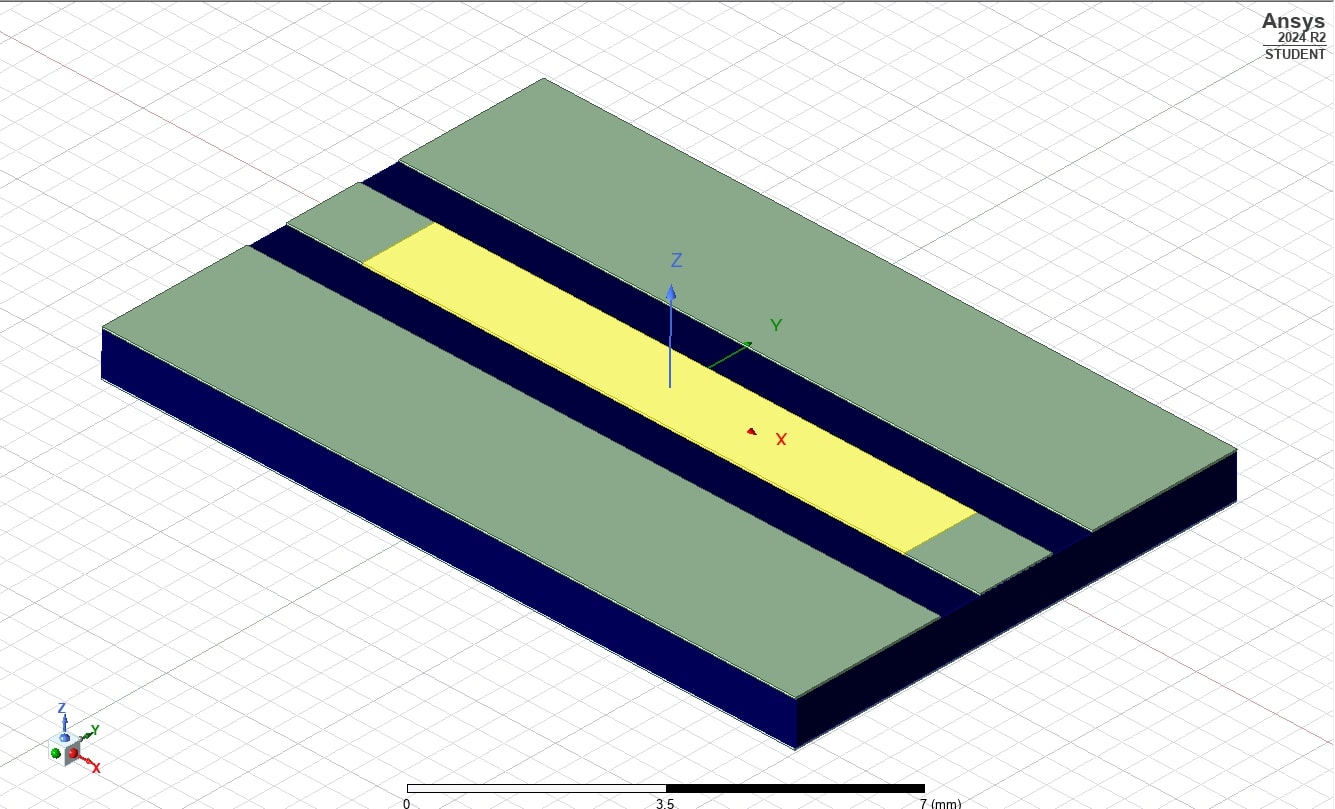
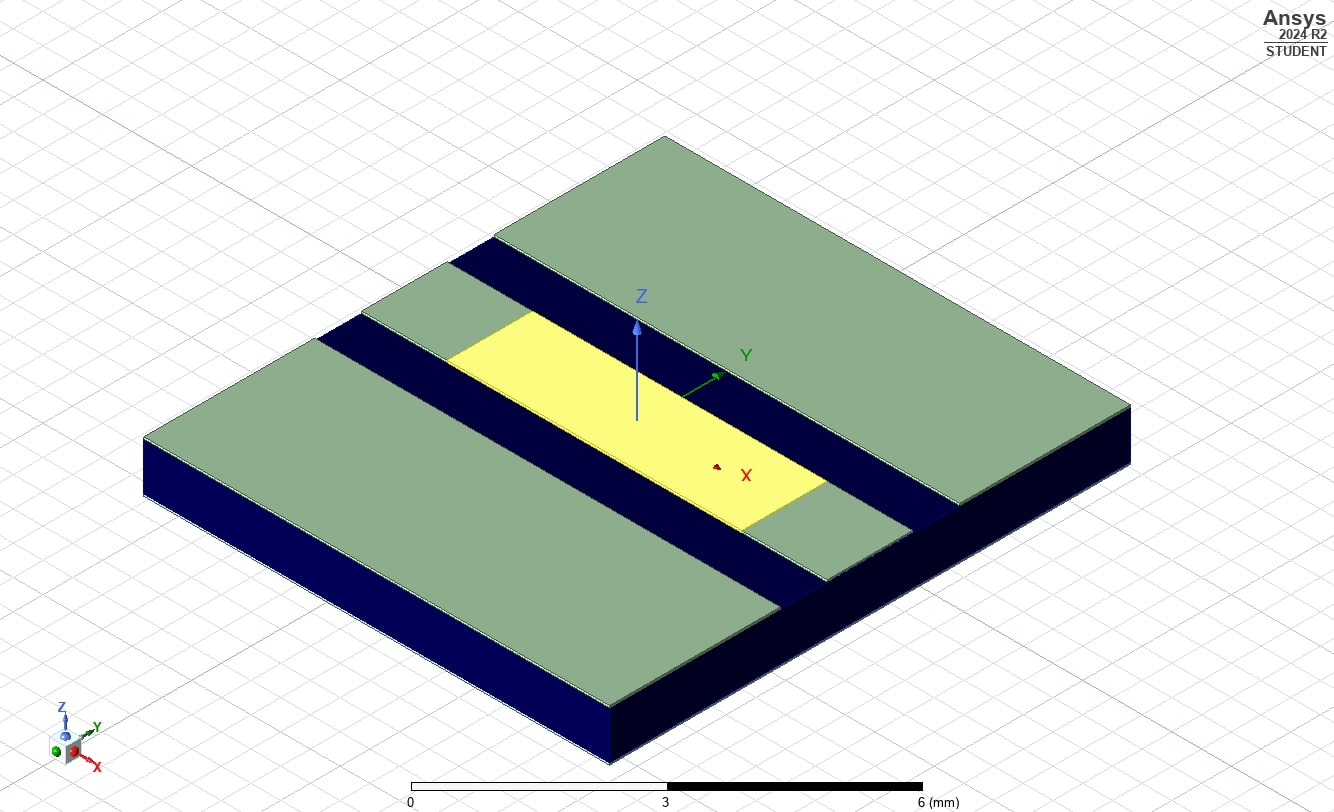
Design and Analysis of 868 MHz / 1.8 GHz CPWG Transmission Lines
Investigated the impact of critical length on 868 MHz and 1.8 GHz CPWG transmission lines, comparing theoretical literature values with optimized simulation results. Observed that critical length is governed not only by frequency but also significantly by physical layout constraints, demonstrating that standard closed-form equations often require empirical refinement via HFSS for high-precision system integration.
Aug 2022
Control Systems
BLDC Motor Controller
Developed firmware and power stage for an efficient BLDC motor controller for robotics applications.
Jan 2022
RF Design
RF Amplifier
Designed and tuned a wideband RF amplifier with measured gains up to 18dB across the target band.
Sep 2021
Firmware

Bootloader & BSP
Implemented a robust bootloader emented a robust bootloader and board semented a robust bootloader and board semented a robust bootloader and board sand board support package for a custom microcontroller platform.